

Why hope isn't mainstream
And why conflict-based news dominates. Plus, hopeful headlines about a native yard HOA battle, tribal land returns, beavers helping bats, ranchers helping prairie chickens, and more!

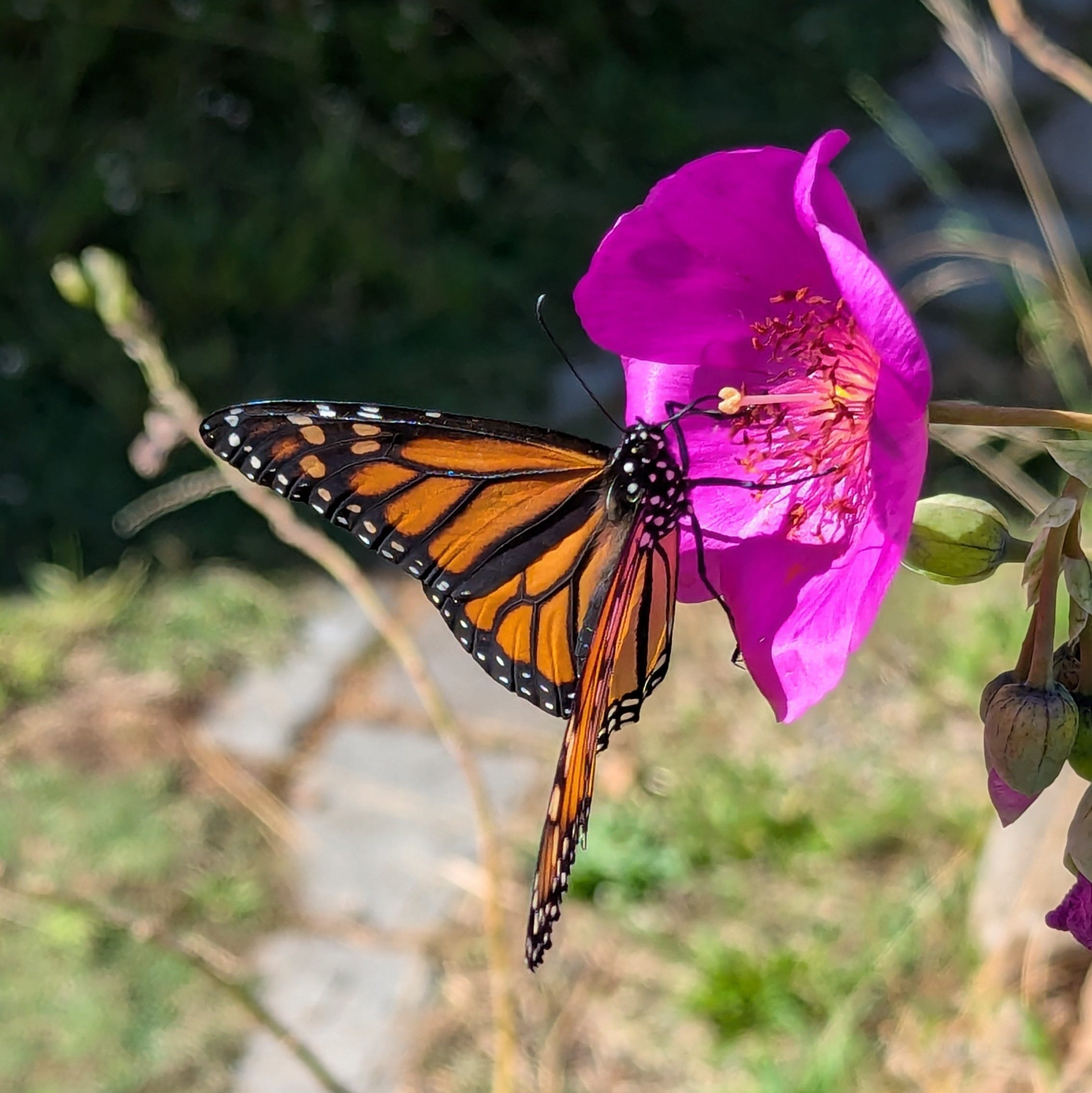
🦋🪻As always, hopeful headlines are included below.⬇️ Thanks for being here and boosting hope.🙏🏼
How conflict-based news can ignore reality
I’m a former newspaper and wire reporter. During those years, I spent every day all day debating sources and editors. Reporters can’t turn in a story without two sides going at each other. When we interview people, we play the other side, pseudo-debating, hoping our source will say something confrontational. Reporters aren’t engaging in real conversations; they’re just pummeling sources with questions from all angles, waiting for a perfectly obnoxious quote. Editors will send reporters home, make them feel like they’re about to get fired, for turning in anything less than a conflict-ridden story.
Reporters supposedly batter themselves with these endeavors for the sake of producing a well-rounded story, but results don’t always match those intentions.
The habit of always capturing pro/con voices can skew reality. In 2020, the writer Michael Specter wrote a mea culpa in the Columbia Journalism Review for the way he covered climate change during the first part of his career. For far too long, the media presented climate change as a 50/50 debate, when it was in fact a 99.9 to .1 debate among scientists. When reporters pursue conflict instead of facts, it can lead to perverse results. In his piece, Specter relates how once, in the 1980s, he waited until the last minute to file a story on the AIDS epidemic because he hadn’t yet heard back from a homophobic congressman. To their credit, his editor lectured him: “There are not two sides to every story. We pay you to exercise some judgment, not to type. File right now!”
Nowadays, there’s no scientific debate about whether climate change is real, but legacy media has swung toward an extreme of constant crisis reporting, writing about catastrophe far more often than solutions. Fortunately, this is slowly changing. This year, The New York Times has been publishing a “50 States, 50 Fixes” series. Among the thousands of stories the NYT publishes per year, fifty solution-based stories is a nice start, but isn’t enough. Environmental reporting must change. It’s not capturing reality and not giving readers a clue as to how humanity is solving problems. (Doubt me? Please read Earth Hope’s previous stories, or The Weekly Anthropocene, or Fix the News.)
Finally, the worst problem with the conflict-based news model, which dominates worldwide, is that it leaves readers feeling sick. Writers grow sick as well. Our news delivery model is toxic.
Alas, apparently toxic news sells.
Or does it?
More Americans are turning away from news, according to the Pew Research Center poll released last week (a drop from 51% to 36% of Americans reporting they follow news all the time). While legacy media is stuck in its conflict rut, many big environmental organizations know no tactics but fearmongering. Some big names are seeing huge declines in donors, even though a majority of Americans support environmental protection.1 Could this be, as Michelle Nijhuis argues in her recent piece, because some are still using “Silent Spring” communications tactics in a “Braiding Sweetgrass” world?
Your hands itch to pull out invasive species and replant the native flowers. Your finger trembles with a wish to detonate the explosion of an obsolete dam that would restore a salmon run. These are antidotes to the poison of despair.
— Robin Wall Kimmerer, “Braiding Sweetgrass”
When you read pieces in Earth Hope, you don’t get an argument between two sources. You don’t get “both sides.” You don’t get attacks. I’ve rejected decades of indoctrination insisting that to be interesting, a story must contain conflict. Solutions-based news is the opposite of conflict-based news.
Readers don’t feel poisoned by the time they finish. They might come back for more. My goal is that readers feel inspired, like they should try that Earth-healing idea they’ve long mulled over. Others are succeeding. Why can’t you?
Hope-based news is good for the writer too; I sleep well every night.
The problems are adequately covered, so we’re going to focus solely on solutions and success stories.
Filing now, folks!
HOPEFUL HEADLINES
Homeowner battles HOA over native plants
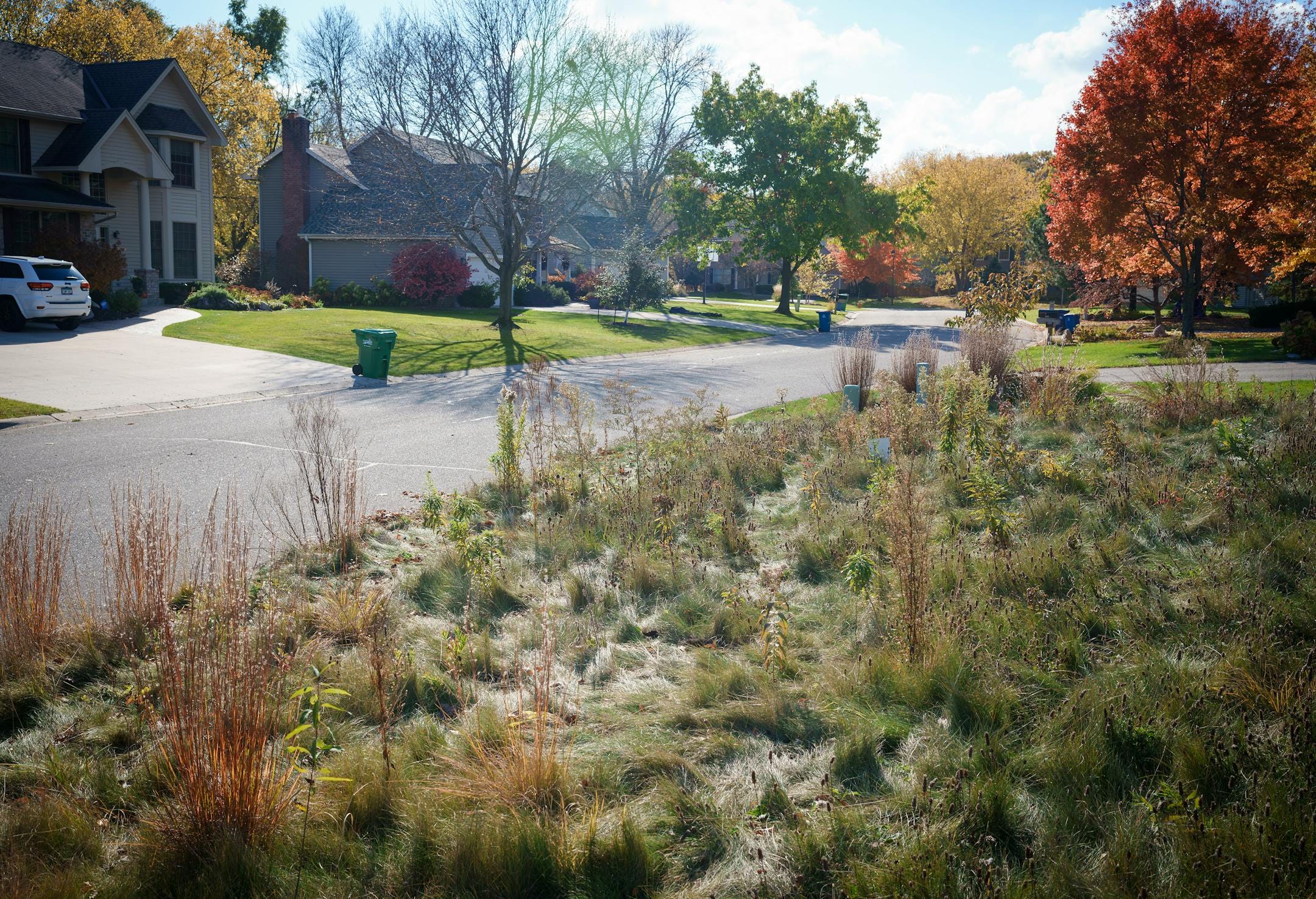
A Minnesota homeowners association has asked a court to foreclose on Bonnie Scott’s home over a $250 fine she refuses to pay. The dispute involves a turf requirement the HOA enacted after Scott planted her yard with 100% native grasses and wildflowers. Per Minnesota law, municipalities may not restrict native landscaping. However, homeowners associations are not mentioned in the law. Bonnie Scott’s front yard attracts lightning bugs, frogs, and wood ducks, but renegade neighbors have tire tracked it and even mowed it. She filled her backyard, which abuts a pond, with tall prairie grasses and reports frequently seeing varieties of birds and bugs.
Many U.S. states have implemented “freedom to garden” laws that prohibit HOAs from banning native landscaping, including Illinois, Florida, Maryland, Michigan, and Texas. The laws are meant to encourage wildlife-friendly plants like milkweed, once considered a noxious weed but essential to the monarch butterfly lifecycle.
Read Bonnie Scott’s Facebook post.
Minnesota Star Tribune story on the lawsuit (may be paywalled): A lawsuit blooms in Plymouth as homeowner battles HOA over her naturally planted yard
Opinion piece in the Tribune in support of Bonnie Scott: Opinion | As no-mow lawn dispute shows, habitat conservation begins at home
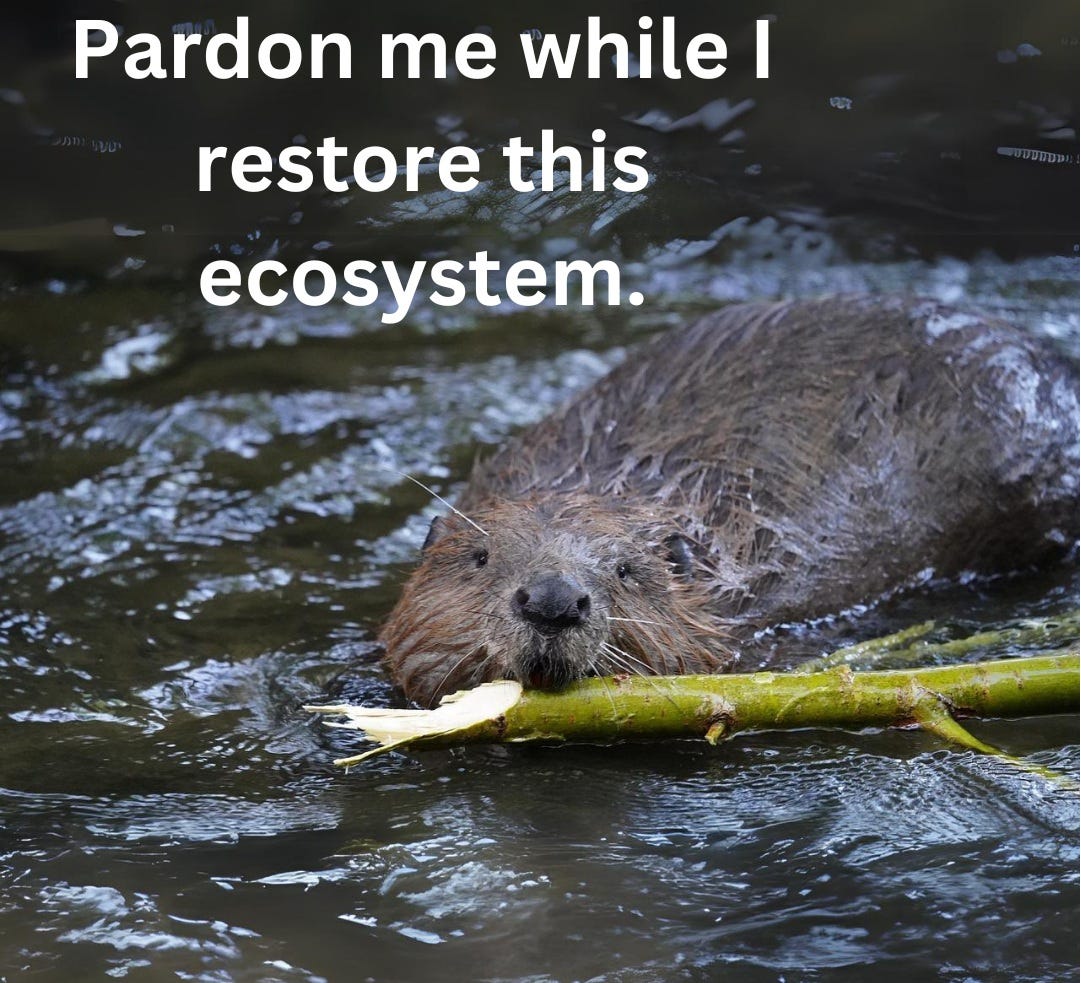
Beaver Planet dispatch: Bats fly where beavers dam
From Phys.org, we learn that beavers not only help riverine mammals, bugs, and birds but also bats. A study of eight rivers in the Swiss Plateau found that bats hunted more than twice as often in beaver territory. Dams and dead trees associated with beavers create more habitat for insects.
More food, more bats.
“Beavers are recreating functional, highly species-rich and resilient water bodies, and they are doing so more cheaply and more effectively than humans with their engineering skills and excavators,” said Christoff Angst with the Swiss National Beaver Office.
PS: Beaver Planet is my nickname for Earth.😊
PPS: Switzerland has a National Beaver Office?! Jealous.🤓
US Midwest: Private landowners work to save prairie chicken after it loses federal protection
IPM News reports that farmers are putting aside thousands of acres for a bird that once numbered over a million in the Great Plains. Now there are about 27,000 lesser prairie chickens in Kansas, Oklahoma, Texas and Colorado.
“I love them. I like seeing them,” rancher Mark Gardiner told IMP News. “I mean, you’re riding a horse across here and ever since I was a little kid, they fly off like a pheasant … it’s pretty cool to see them.”
Prescribed burns and invasive tree removals are among the solutions helping to protect the birds and their prairie habitat.

Miscellaneous good news (emptying the pockets)
USA:
USA Today: How America’s fisheries rebounded from collapse and overregulation
CHINA:
LiveScience: China has planted so many trees it’s changed the entire country’s water distribution
UK:
BBC: Rare orchid brought back from brink of extinction
IOWA:
The New York Times: Iowa City made its buses free. Traffic cleared, and so did the air.
ILLINOIS
Phys.org: More forest, more wildlife (Terrestrial biodiversity grows with tree cover in agricultural landscapes, according to University of Illinois research)
CALIFORNIA:
Tropical milkweed sales banned in Marin County
NPR: A guerrilla gardener installed a pop-up wetland in the LA River
TRIBAL LANDS:
The Plumas Sun: Washoe Tribe to acquire 10,000 acres in largest Sierra Nevada land return
Fresno Bee: Southern Sierra Miwuk reclaim 900 acres near Yosemite (The land includes a village site, destroyed in 1969, where many tribal elders grew up.)
“Having this significant piece of our ancestral Yosemite land back will bring our community together to celebrate tradition and provide a healing place for our children and grandchildren,” said Southern Sierra Miwuk Nation’s Tribal Council Chair and elder Sandra Chapman. “It will be a sanctuary for our people.”

Important reads that are not yet success stories:
Grazing the West to death: HCN public lands exposé
High Country News and ProPublica have published a deeply researched exposé on how the rich benefit from billions in public subsidies for cattle grazing: How the wealthy profit from public lands as taxpayers pay the tab. The story is part of a series called “Free Range.”
On a related note, earlier this year, I wrote a piece titled “Victory or public access: American Prairie unlocks another 70,000 acres in Montana.” The piece was picked up by YCombinator and viewed 15,000 times. One comment string focused on why lands, both public and private, are used for cattle grazing rather than conservation. The answer is that “grazing is conservation,” according to the US federal government, even when it damages wetlands and blocks endangered species progress (wolves, bison, grizzlies). Billionaires use these holdings in the American West as conservation tax write-offs.
The bottom line: Humanity doesn’t need affordable beef, not for human health or environmental health. End the subsidies.
When nature lovers burn carbon to track down nature. Please read Bryan Pfeiffer’s piece: Birdwatching’s Carbon Problem
BOOST EARTH HOPE FOR $20.
We’re on a roll after last week! Please support this project with a one-time $20 donation. It appears the magic words are: I won’t hold it against you if you don’t renew. This is not a marriage proposal, “stick with me for life or else.” Give us a hand to keep boosting a hopeful newsletter on this platform. Paying subscribers can start threads in the Earth Hope chat (hopefully good news and conservation related). Substack writers get a free beta read and 45-minute consult. Please reach out to me via chat if you paid and want to take advantage of these perks! Thanks everyone. You’re my heroes!
Here’s the special link: BOOST EARTH HOPE FOR $20.
About Earth Hope
Earth Hope is a solutions-based journalism project that highlights environmental success stories to inspire action. I’m Amanda Royal, a former newspaper reporter and current eco-news junkie. Read more about this project and what inspired it. I aggregate news under my “hopeful headlines,” conduct original reporting and interviews, and share occasional personal narratives. Visit earthhope.substack.com for more stories.
Pew Research Center (May, 2025): Support for stricter environmental regulations outweighs opposition in a majority of states
Gallup (April 2025): More Americans Think U.S. Doing Too Little on Environment
Earth Hope (November 2024): Millions of voters say “yes” to billions for conservation and climate
This nails something I've been watching play out. The conflict-mining machine is real, and it's killing people's ability to give a shit about anything. The Bonnie Scott story kills me. Woman plants native flowers, neighbors literally drive through her yard to screw it up, HOA wants her house. It's not a story of conflict but of spite. And the fact that multiple states have had to pass laws protecting people's right to plant native plants on their own property tells you everything about how broken this is. I like that you just decided to only cover solutions. Not because the problems don't exist, but because everyone else is already screaming about the problems 24/7, it's tiring and why add to the noise when you could show people what's working instead?
After listening to a podcast with David Bornstein I ask myself “What is this journalist’s theory of change?” whenever I read news. Are they just typing to get my attention or are they working toward a change, solution, that I can somehow learn from or participate in? Thank you for inviting us readers into solutions.